
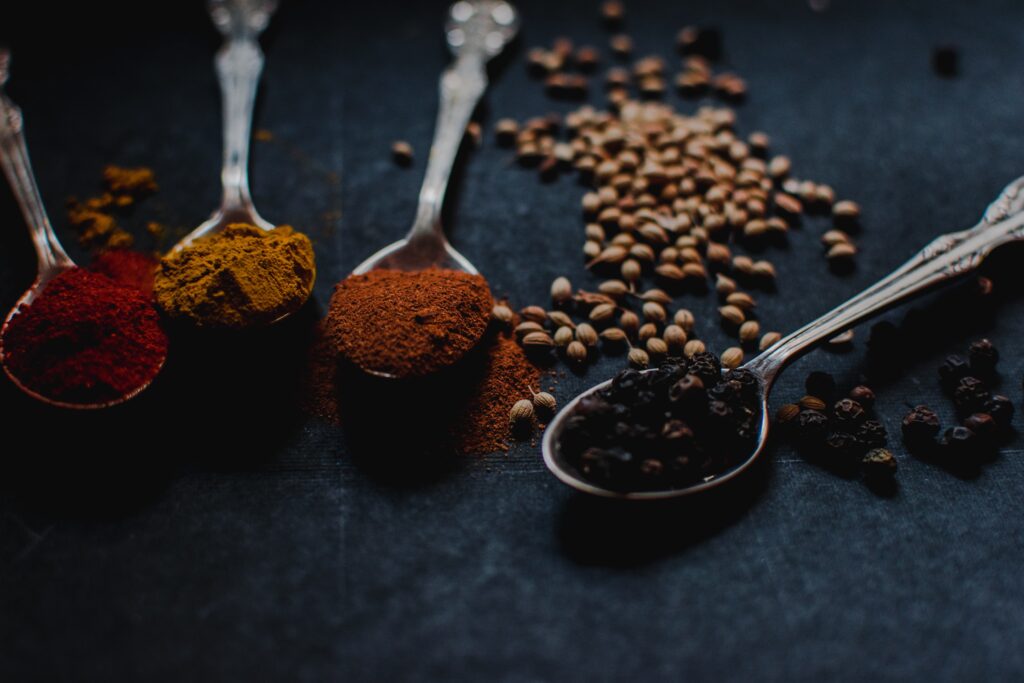
Traditional spices can improve your meal’s flavour while potentially improving your health, including treating and managing diabetes. In this blog, we will address the scientific evidence that traditional spices can be employed as culinary allies in the battle against diabetes. We will draw on insights from well-recognised studies published in renowned periodicals like Nature and other pertinent pieces. Let’s find out more about the power of these aromatic wonders!
1. Turmeric: A common ingredient in Indian cuisine, turmeric is famous for its active component, curcumin, which has anti-inflammatory and antioxidant properties. According to studies, curcumin may improve glycemic control, and insulin sensitivity, and reduce the risk of complications from diabetes (Srinivasan in 2005). A cup of turmeric tea or a simple sprinkle of turmeric on your food may benefit your health.
2. Cinnamon: Due to its tantalising smell and aroma, cinnamon has been linked to potential benefits for blood sugar control. According to studies (Soliman, 2007), cinnamon may improve insulin sensitivity, lower fasting blood sugar levels, and lessen the postprandial glucose reaction. Use cinnamon to flavour yoghurt, cereals, or baked goods to take advantage of its possible diabetes-fighting properties.
3. Ginger: Ginger has shown promise in the management of diabetes. It is a versatile spice with anti-inflammatory and antioxidant properties. Studies show ginger can change several metabolic indicators, improve insulin sensitivity, and lower fasting blood sugar levels. You may add grated ginger to stir-fries, soups or prepare a soothing ginger tea by steeping it in hot water.
4. Fenugreek: This spice, popular in Indian and Middle Eastern cooking, may have anti-diabetic qualities. The soluble fibres and other ingredients in its seeds may lower blood sugar and improve insulin sensitivity (Nisha & Deepika, 2020). Use fenugreek seeds soaked overnight to add fenugreek to your diet, or use the spice that has been ground for your cooking.
5. Garlic: Despite being famous for its distinctive flavour, garlic offers more than just gastronomic appeal. Garlic may improve insulin sensitivity, reduce fasting blood sugar levels, and minimise all cardiovascular risk factors associated with diabetes, according to studies (Reyad-ul-Ferdous et al., 2014). Add minced garlic to your favourite savoury dishes to benefit from the potential health benefits.
In conclusion, traditional spices may be suitable for our health, including the treatment and prevention of diabetes, in addition to enhancing the flavour of our food. Scientific research supports using spices like turmeric, cinnamon, ginger, fenugreek, and garlic to improve glycemic control, insulin sensitivity, and general health. By incorporating these spices’ fragrant charms into everyday cooking, you can learn about their potential advantages for preventing diabetes. Spices may have health benefits, but it’s always advisable to receive personalised guidance from healthcare professionals, especially if you have underlying medical conditions or are taking medication. You can enjoy the goodness of tradition while improving your health by adding flavour to your food.